Facing addiction can feel overwhelming, both for individuals and their loved ones. However, seeking help through drug rehab is a life-changing step that opens the door to recovery and a healthier, fulfilling future. But with so many treatment options available, it can be challenging to know where to start.
This guide will walk you through the various types of drug rehab programs, including their purpose, structure, and benefits. Whether you’re struggling with addiction, supporting a loved one, or a healthcare professional seeking information, this post aims to provide clarity and hope.
What Is Drug Rehab?
Drug rehab refers to structured drug and alcohol addiction treatment programs designed to help individuals overcome substance use disorders. These programs provide medical, psychological, and emotional support to address addiction’s root causes and its impact on a person’s life.
Rehab centers typically follow a holistic approach, combining therapies and medical interventions to promote healing of the mind, body, and spirit. Services can include detoxification, counseling, group therapy, and aftercare planning. While no two journeys are the same, the primary goal of any drug rehab program is long-term recovery and reclaiming a life of purpose.
What Is Dual Diagnosis for Substance Abuse?
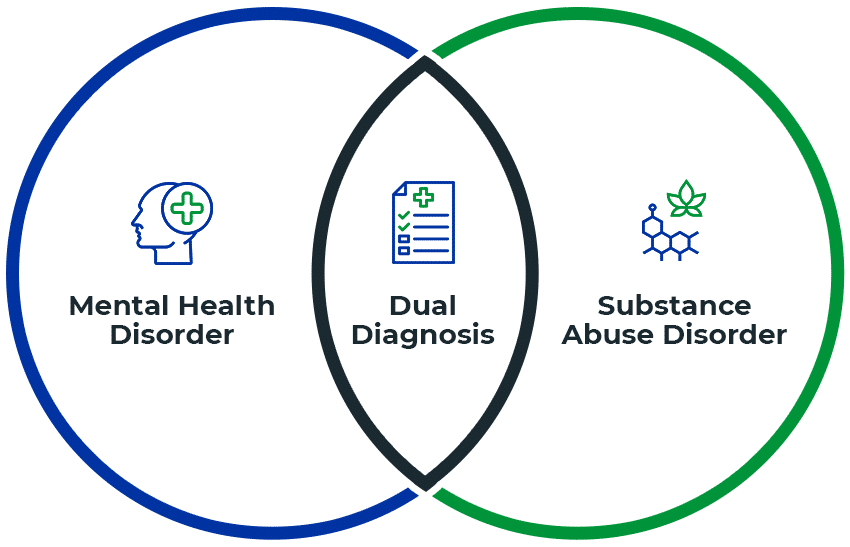
A dual diagnosis occurs when someone experiences both a mental health disorder and substance use disorder simultaneously. Conditions such as anxiety, depression, PTSD, or bipolar disorder often co-occur with addiction, creating a complex cycle that can be difficult to break without proper care.
Dual diagnosis treatment—a specialized approach found in many rehab centers—addresses both conditions simultaneously. For example, someone with an alcohol use disorder and generalized anxiety disorder would receive support for both issues, ensuring that mental health challenges don’t undermine the progress made in addiction recovery.
Dual diagnosis programs often include:
- Individual and group therapy
- Medication management
- Behavioral therapies, such as CBT or DBT
Our Florida dual diagnosis rehab program recognizes that mental health and addiction are deeply intertwined, and treating both is essential for achieving lasting recovery.
What Is Alcohol Detox?
For individuals struggling with alcohol dependency, alcohol detox is often the first step in the recovery process. This medically supervised process helps individuals safely withdraw from alcohol while managing withdrawal symptoms, which can range from mild to severe.
Symptoms of alcohol withdrawal may include:
- Anxiety
- Nausea
- Tremors
- Seizures in severe cases
Our Florida alcohol detox centers provide round-the-clock medical monitoring and support to ensure a safe and comfortable transition to sobriety. Medications such as benzodiazepines may be administered to ease symptoms and prevent complications. It’s important to note that detox is not a standalone treatment for addiction but a critical first step before therapy and counseling can begin.
What Is Drug Detox?
Similar to alcohol detox, drug detox involves safely withdrawing from drugs under medical supervision. This process is essential for individuals dependent on substances such as opioids, stimulants, or benzodiazepines, as withdrawal from these drugs can be physically and emotionally taxing.
Common withdrawal symptoms for drug use may include:
- Restlessness
- Insomnia
- Muscle pain
- Cravings
- Severe cases may involve seizures or life-threatening complications
Our Florida drug detox centers specialize in creating a secure environment for detoxification, often using medications or therapies to alleviate symptoms and ensure safety. Once detox is complete, individuals are better prepared to participate in counseling and long-term treatment programs.
What Is Inpatient Drug Rehab?
Inpatient drug rehabs, also known as residential rehab programs, offer a structured and immersive environment for individuals to focus entirely on recovery. Participants live at the treatment facility for a designated period, which often ranges from 30 to 90 days, though some programs may provide long-term care.
Benefits of inpatient rehab include:
- 24/7 medical and emotional support
- A structured schedule that includes therapy, activities, and self-care
- Safe, substance-free environment away from triggers
Our Florida inpatient drug rehabs are particularly beneficial for individuals with severe addictions or those who have faced repeated relapses. The immersive nature of inpatient drug rehabs allows participants to build a strong foundation for sobriety before transitioning back to daily life.
What Is Mental Health Treatment in Rehab?
Addiction often goes hand-in-hand with mental health challenges. Comprehensive rehab programs include mental health treatment to address these issues, helping individuals build the emotional resilience needed for sustained recovery.
Key components of mental health treatment in rehab include:
- Therapy: Both one-on-one sessions and group therapy help individuals process emotions, develop coping mechanisms, and improve communication skills.
- Medication Management: For individuals with diagnosed mental health conditions, medications may be prescribed to stabilize symptoms.
- Holistic Approaches: Techniques like mindfulness, yoga, and art therapy focus on healing the whole person rather than addressing symptoms alone.
At NEURO PSYCHIATRIC ADDICTION CLINIC – Detox & Rehab in Port St. Lucie treats depression we integrate mental health treatment at our Florida mental health centers with addiction recovery, and provide the tools needed to support long-term emotional well-being.
Your Path to Recovery Starts with NP NEURO PSYCHIATRIC ADDICTION CLINIC
The path to sobriety is deeply personal. Whether you’re considering alcohol detox centers, drug detox centers, or inpatient drug rehabs, the most important step is to seek the support you deserve. Reaching out to a trusted rehab facility can provide clarity, compassion, and guidance as you or your loved one begin this transformative journey.
If you’re ready to explore your options, contact our dual diagnosis center for individualized support. Call us now at 772-281-5466. Recovery is possible—with the right care and a supportive community, brighter days are ahead.