Treating co-occurring disorders with drug addiction can be difficult. However, when it comes to addiction recovery, treating drug and alcohol addiction alone is rarely enough. Many individuals struggling with addiction face an additional challenge—co-occurring disorders. Addressing these disorders alongside addiction is crucial for long-term recovery and improved mental health.
In this blog, we’ll explore co-occurring disorders, their relationship with addiction, and how inpatient drug rehabs are uniquely equipped to treat both issues effectively. If you or someone you know is on the path to recovery, understanding the role of dual diagnosis in treatment could be the missing piece to lasting wellness.
What are Co-occurring Disorders?

To understand treating co-occurring disorders with drug addiction we must first have a firm understanding of what they are. Co-occurring disorders, also known as dual diagnosis, refer to the presence of both a substance use disorder (such as drug or alcohol addiction) and a mental health disorder simultaneously. These disorders often influence each other, creating a complex cycle that can make recovery challenging if not addressed holistically.
NEURO PSYCHIATRIC ADDICTION CLINIC inpatient drug rehabs Port St Lucie, Florida treats more than drug addiction at their inpatient drug rehabs Port St Lucie location. We are also one of Florida’s best mental health centers. We specialize in treating co-occurring disorders. Let’s learn about the most common co-occurring disorders. Below is a list of common co-occurring disorders observed in individuals struggling with drug and alcohol addiction:
- Depression
Depression is one of the most common mental health disorders associated with addiction. Individuals may turn to alcohol or drugs as a way to self-medicate and temporarily escape feelings of sadness, hopelessness, or fatigue.
- Anxiety Disorders
Many individuals with anxiety disorders, such as generalized anxiety disorder (GAD), social anxiety, or panic disorder, use substances to manage overwhelming feelings of fear, restlessness, or tension.
- PTSD (Post-Traumatic Stress Disorder)
People who have experienced trauma often develop PTSD, characterized by flashbacks, nightmares, and severe anxiety. Drugs and alcohol may become tools for numbing these symptoms.
- Bipolar Disorder
Bipolar disorder, which causes extreme mood swings ranging from manic highs to depressive lows, often coexists with addiction. Substance use may amplify or mask symptoms, making diagnosis and treatment more difficult.
- ADHD (Attention Deficit Hyperactivity Disorder)
Individuals with ADHD are at higher risk for substance abuse, especially with stimulant medications. Co-occurring ADHD and addiction require careful management to address both issues effectively.
- Schizophrenia
Those with schizophrenia may use drugs or alcohol to cope with hallucinations, delusions, or negative symptoms, leading to a co-occurring substance use disorder.
Key Takeaway
Co-occurring disorders vary greatly, but they all require a comprehensive approach for effective management. Treating addiction without addressing underlying mental health issues often results in relapse.
Why Are Co-occurring Disorders Treated with Drug Addiction?
Our dual diagnosis treatment centers in Port St Lucie know treating co-occurring disorders alongside addiction is essential because these conditions feed into each other. Neglecting one can jeopardize recovery from the other. Here’s why integrated treatment is so important:
The Relationship Between Mental Health and Addiction
- Mental health disorders can increase vulnerability to addiction. For example, someone with anxiety might turn to drugs to calm their nerves, leading to dependency over time.
- Conversely, substance use can worsen mental health symptoms. Alcohol may initially reduce social anxiety, but it’s a depressant that can exacerbate mood disorders in the long term.
Without addressing both issues, individuals are often caught in a cycle of relapse. For example, treating addiction without managing mental health may result in self-medicating behaviors resurfacing. Similarly, addressing mental health but not addiction could leave the individual vulnerable to behaviors that further impair mental wellness.
The Benefits of Dual Diagnosis Treatment
- Whole-Person Approach: Integrated treatment focuses on both the mental and physical aspects of health, providing a more holistic recovery path.
- Reduced Relapse Rates: Studies show that treating co-occurring disorders alongside addiction significantly reduces the likelihood of relapse.
- Improved Coping Mechanisms: Dual diagnosis treatment helps individuals develop healthy ways to manage triggers and stressors.
How Do Co-occurring Disorders Affect Addiction?
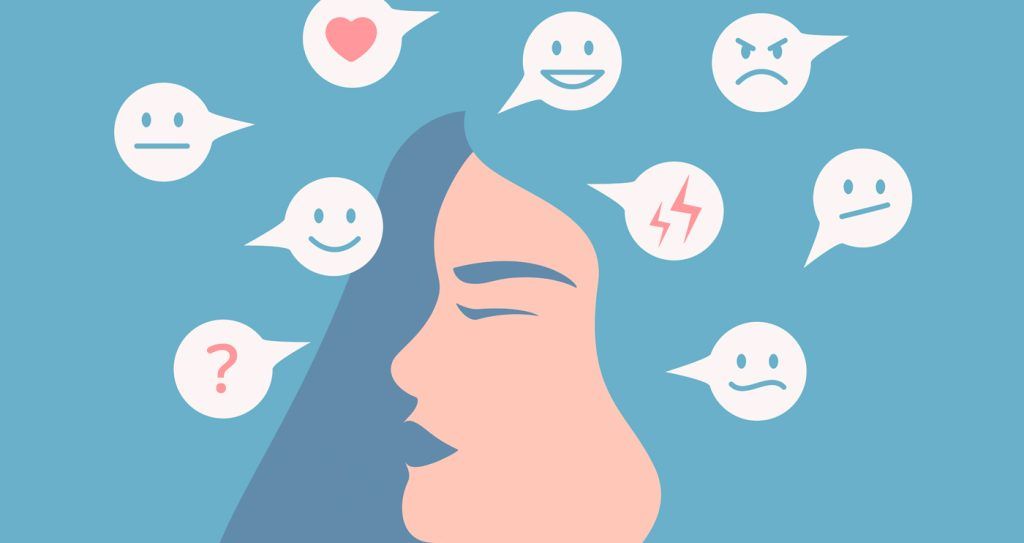
Co-occurring disorders intensify the challenges of both addiction and mental illness. Here’s how these two facets of health interact:
- Delayed Recovery
Mental health symptoms like anxiety or depression can hinder the ability to stick to treatment plans, attend therapy sessions, or engage in group support.
- Higher Risk of Overdose
Individuals with mental health disorders often use larger quantities of substances to achieve desired effects, increasing the risk of accidental overdose.
- Challenges in Diagnosis
Addiction and mental health disorders often share overlapping symptoms, such as mood swings or impaired judgment. This makes it difficult to diagnose and treat appropriately without an integrated approach.
- Social Isolation
Both addiction and mental health disorders contribute to isolation, preventing individuals from accessing support systems that are crucial in recovery.
How Do Inpatient Drug Rehabs Treat Co-occurring Disorders?
Our inpatient drug rehabs Port St Lucie staff knows when it comes to addressing dual diagnosis, inpatient drug treatment centers play a pivotal role. These facilities provide a safe, structured environment where individuals can focus on recovery without external distractions.
Key Features of Dual Diagnosis Treatment with Inpatient Drug Rehabs
- Comprehensive Assessment
Dual diagnosis begins with a thorough evaluation to identify both the addiction and the co-occurring mental health condition. This ensures that the treatment plan is tailored to the individual’s unique needs.
- Integrated Treatment Programs
Integrated treatment combines addiction therapy with mental health care. Techniques include:
- Cognitive Behavioral Therapy (CBT): Helps identify negative thought patterns and replace them with healthier coping mechanisms.
- Medication-Assisted Treatment (MAT): Provides safe, supervised use of medications to stabilize mental health symptoms and support addiction recovery.
- Group Therapy & Peer Support: Encourages connection with others facing similar challenges for mutual support.
- 24/7 Medical Support
Many inpatient drug rehabs have round-the-clock healthcare professionals who monitor progress and adjust treatments as needed.
- Tackling Triggers and Building Skills
Effective dual diagnosis programs teach individuals how to identify and manage triggers for both addiction and mental health symptoms. Skills include mindfulness techniques, stress management, and relapse prevention strategies.
- Family Support and Education
Addiction and mental health affect loved ones too. Many inpatient drug treatment centers involve families in counseling sessions, helping them build supportive environments for recovery.
Why Choose an NEURO PSYCHIATRIC ADDICTION CLINIC Inpatient Drug Rehab?
Our inpatient drug rehabs Port St Lucie program can last from 10 days to one year depending on the individuals needs. We accept some health insurances and can get you in today. Unlike outpatient services, inpatient rehabs provide an immersive experience that minimizes distractions. This is especially critical for individuals with complex co-occurring disorders, as it creates a stable foundation for healing.
Successfully treating co-occurring disorders alongside drug addiction requires a dual focus on addiction and mental health. By addressing both simultaneously, individuals are empowered to break free from the cycle of dependency and regain control over their lives.
Whether you’re exploring treatment for yourself or a loved one, our inpatient addiction treatment centers offer specialized care for dual diagnosis. These programs provide the tools, support, and guidance needed to build a healthier, substance-free future.
If you or someone you know is struggling with addiction and mental health challenges, seeking professional help is the most critical first step. Don’t wait. Contact our dual diagnosis treatment programs today at 772-281-5466 to begin the healing process.