Our alcohol detox centers Port St Luce Florida staff recently sat down to talk about co-occurring disorders and addiction. The discussion focused on managing bipolar disorder and alcohol. Having co-occurring disorders and addiction issues is very common. It is also very serious left untreated.
The Seriousness Of The Disorder Explained by NP Alcohol Detox Centers Port St Lucie
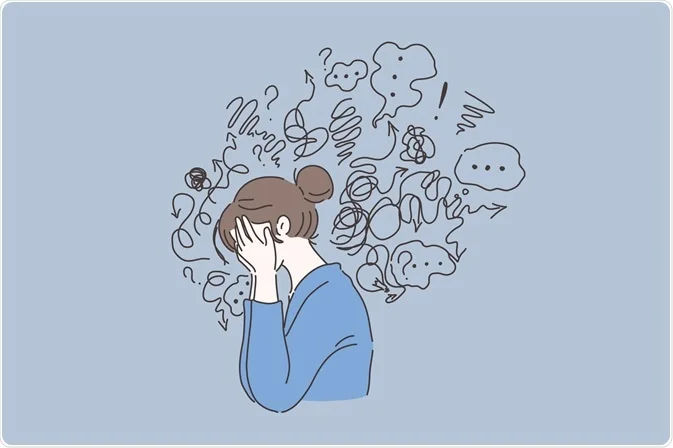
NP alcohol detox Port St Lucie Florida substance abuse counselors know first hand the seriousness of managing bipolar disorder with alcohol. Bipolar disorder is a mental health condition characterized by extreme mood swings that include emotional highs (mania or hypomania) and lows (depression). When you become depressed, you may feel sad or hopeless and lose interest or pleasure in most activities. When your mood shifts to mania or hypomania, you may feel euphoric, full of energy, or unusually irritable. These mood swings can affect sleep, energy, activity, judgment, behavior, and the ability to think clearly.
There are several types of bipolar disorder, including Bipolar I Disorder, Bipolar II Disorder, and Cyclothymic Disorder. Bipolar I Disorder involves severe manic episodes that last at least seven days or severe mania requiring immediate hospital care, usually alternating with depressive episodes that last at least two weeks. Bipolar II Disorder is characterized by a pattern of depressive episodes and hypomanic episodes, but not the full-blown manic episodes that are typical of Bipolar I Disorder. Cyclothymic Disorder, or cyclothymia, involves periods of hypomanic symptoms as well as periods of depressive symptoms lasting for at least two years (one year in children and adolescents), but the symptoms do not meet the diagnostic requirements for a hypomanic episode and a depressive episode.
Causes of Bipolar Disorders
Our alcohol detox Port St Lucie Florida know the exact cause of bipolar disorder is unknown. It is a combination of genetics, environment, and altered brain structure and chemistry may play a role. Risk factors include having a first-degree relative with the disorder, high-stress levels, and drug or alcohol abuse. Diagnosing bipolar disorder often involves a thorough examination involving medical history, personal history, and symptoms review, alongside psychological assessments.
Treatment generally involves a combination of medications and psychotherapy. Medications may include mood stabilizers such as lithium, antipsychotic drugs, antidepressants, and anti-anxiety medications. Psychotherapy, or talk therapy, can provide support, education, and guidance. It can also help individuals understand and manage their condition.
Living with bipolar disorder can be challenging, but many people with the condition lead fulfilling lives with proper treatment and support. It’s important to maintain a solid support network, follow treatment plans closely, and recognize the triggers and early signs of mood swings to manage the disorder effectively.
Impact on Daily Life Explained by NP Alcohol Detox Centers Port St Lucie Florida Counselors
NP alcohol detox Port St Lucie Florida treat bipolar disorders everyday. Living with bipolar disorder can significantly impact various aspects of daily life. The extreme shifts in mood can disrupt routines, affect relationships, and hinder professional development. During depressive episodes, individuals may struggle to get out of bed, complete daily tasks, or maintain personal hygiene, leading to feelings of guilt and worthlessness. This can also result in lost productivity at work and strained relationships with family and friends who may not fully understand the condition.
Manic or hypomanic episodes, on the other hand, can lead to impulsive and risky behaviors. Individuals might engage in excessive spending, reckless driving, or substance abuse, causing financial strain and potential legal issues. The elevated mood can also lead to overcommitment to projects or social obligations, which can be unsustainable and result in burnout once the mood shifts again.
Furthermore, the unpredictability of mood swings can make it challenging to maintain long-term plans and commitments. People with bipolar disorder often need flexibility in their work schedules or personal responsibilities to accommodate their changing moods. This can affect career progression and the ability to take on leadership roles or long-term projects. Additionally, the stigma associated with mental health conditions can lead to social isolation and discrimination, further complicating their daily lives.
Despite these challenges, with effective treatment and support, many individuals with bipolar disorder can achieve a stable and fulfilling life. Regular therapy, medication adherence, and a strong support network are crucial in managing the day-to-day impact of the disorder. Adopting coping strategies, such as maintaining a consistent routine, practicing mindfulness, and recognizing early signs of mood shifts, can also aid in minimizing the disruptions caused by bipolar disorder.
Societal Stigma Explained by NP Alcohol Detox Centers Port St Lucie Florida Counselors

NP alcohol detox Port St Lucie Florida is a full service drug and alcohol addiction treatment center and one of Florida’s best mental health centers. Societal stigma surrounding bipolar disorder and other mental health conditions remains a significant barrier to treatment and quality of life. Misconceptions and negative stereotypes contribute to misunderstandings about the disorder, leading many individuals to feel ashamed or fearful of seeking help. Common myths, such as the idea that people with bipolar disorder are inherently dangerous or incapable of leading productive lives, perpetuate ignorance and fear. This stigma can discourage open conversations about mental health, resulting in delayed diagnosis and treatment, which only exacerbates the condition.
The media often plays a role in reinforcing these stereotypes, frequently portraying individuals with bipolar disorder in an exaggerated or negative light. Such representations can shape public perception and fuel discrimination, both in personal relationships and within professional settings. People with bipolar disorder may face unfair treatment, including being passed over for job opportunities, being excluded from social activities, or experiencing prejudice from colleagues and acquaintances.
Combating societal stigma requires a multifaceted approach, including education, advocacy, and support. Raising awareness about the realities of bipolar disorder through public education campaigns can help dispel myths and promote understanding. Highlighting stories of individuals successfully managing the disorder can also provide hope and reduce stigma. Mental health advocacy organizations play a critical role in championing the rights of those affected and lobbying for policies that support mental health resources and protections against discrimination.
Building a more inclusive society involves encouraging open dialogue about mental health, normalizing mental health check-ups, and fostering environments where individuals feel safe to share their experiences without fear of judgment. By addressing societal stigma, we can pave the way for a more empathetic and informed community that supports the well-being of all its members.
NP Alcohol Detox Centers Port St Lucie Florida Counselors Explain Using Alcohol to Manage Bipolar Disorder
Our alcohol detox Port St Lucie Florida staff knows using alcohol as a means to manage or treat bipolar disorder is highly discouraged and counterproductive. Alcohol is a central nervous system depressant that can significantly exacerbate the symptoms of bipolar disorder. For instance, while alcohol may initially provide a temporary sense of relief or euphoria, it can lead to increased depressive episodes once the effects wear off. This cycle can contribute to a higher risk of severe mood swings and make it more difficult to manage the condition effectively.
Furthermore, alcohol can interact negatively with medications commonly prescribed for bipolar disorder, such as mood stabilizers, antipsychotics, and antidepressants. These interactions can reduce the efficacy of the medication or produce harmful side effects, complicating the overall treatment plan. For some individuals, the use of alcohol might also lead to substance abuse or dependency, adding another layer of complexity to managing bipolar disorder.
In addition to its physical effects, alcohol can impair judgment and lead to impulsive decisions, which is particularly risky during manic or hypomanic episodes. The combination of lowered inhibitions and heightened impulsivity increases the likelihood of engaging in dangerous behaviors, such as reckless driving, financial irresponsibility, or unsafe social practices, further complicating one’s daily life and long-term well-being.
It is essential for individuals with bipolar disorder to adopt healthier coping strategies and adhere to their prescribed treatment plans. Support groups, therapy, sobriety programs, and a strong network of understanding friends and family can provide the necessary assistance and encouragement to avoid turning to alcohol as a form of self-medication. By prioritizing evidence-based treatments and seeking professional help, individuals with bipolar disorder can work towards managing their symptoms more effectively and leading a more stable and fulfilling life.
Seeking Help at NP Alcohol Detox Centers Port St Lucie Florida
NP alcohol detox Port St Lucie Florida is an addiction treatment center and one of Florida’s best mental health centers. We have the knowledge and experienced doctors to treat co-occurring disorders effectively. Seeking professional help is a crucial step for individuals managing bipolar disorder. The first point of contact often involves visiting a general practitioner (GP), who can provide initial assessments and referrals to specialists, such as psychiatrists or clinical psychologists. Psychiatrists are medical doctors who specialize in diagnosing and treating mental health disorders and can prescribe necessary medications. Clinical psychologists offer therapeutic interventions, such as cognitive-behavioral therapy (CBT), which can help individuals understand and manage their thoughts and behaviors more effectively.
In addition to medical professionals, support from a counsellor or therapist can be beneficial. These professionals offer a safe space to express feelings, navigate challenges, and develop coping strategies. They can also assist in addressing any concurrent issues, such as anxiety or substance abuse, which may complicate the management of bipolar disorder.
Support groups, both in-person and online, provide a community of individuals who share similar experiences and challenges. These groups offer peer support, reducing feelings of isolation and enabling members to exchange advice and encouragement. Being part of a supportive community can significantly impact one’s ability to cope with the disorder and maintain a sense of belonging.
Importantly, seeking help is not a sign of weakness but an empowering step toward managing bipolar disorder. By reaching out for professional and community support, individuals can build a comprehensive treatment plan that addresses their unique needs and promotes a more stable and fulfilling life. Call NP alcohol detox Port St Lucie Florida now at 772-281-5466, accept some health insurances and can verify on the phone.